
SciArt Project
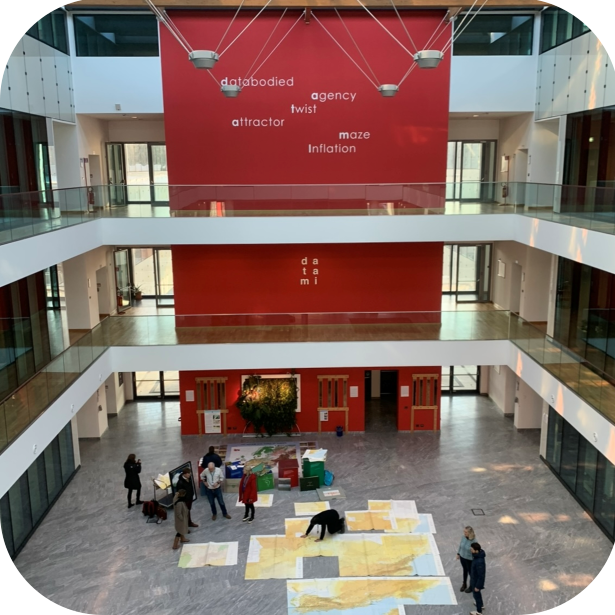
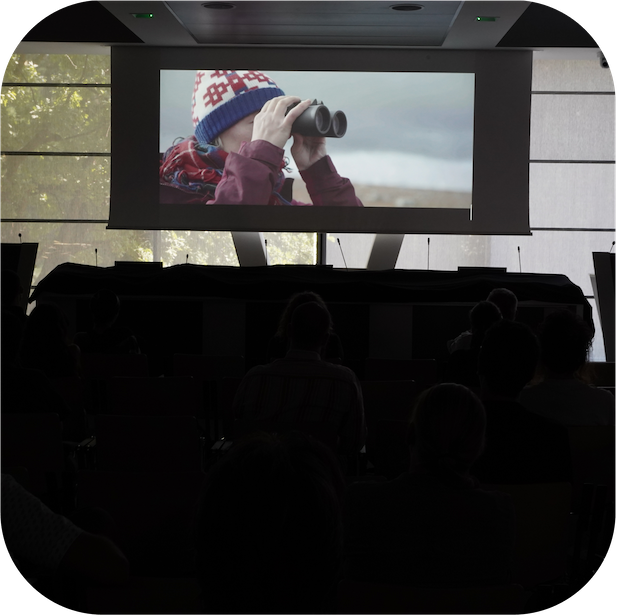
The JRC SciArt project was established in January 2016, with the objective of triggering innovation in research and bring together science, art and society. Strongly influenced by the JRC mission of doing science in support of policy, it gives scientists, artists and policymakers the opportunity to meet and work together. They discuss, investigate and explore the wide intersecting plains between art and science, with a tension towards impacting our collectivities.
Yet, in the first instance, the project tries to create a safe haven to freely roam possible worlds, pursue impossible projects and to embrace failure.
As such, it is part of the ongoing innovation of the JRC as service to the European citizen.
OPENED 24/05/2024: NATURARCHY EXHIBITION
News
JRC SciArt organises the first in a series of talks as part of the Leonardo LASER Network on 23/02/2024. The talk will weave through the intricacies of the current situation as to the Rights of Nature, from an artistic, philosophical and governance point of view, within the context of the current NaturArchy curatorial theme and upcoming exhibition.
JRC SciArt is delighted to announce that a scientific paper written as part of the Synocene project has been accepted to the ACM (Association of Computing Machinery) CHI Conference on Human Factors in Computing Systems.
Help Nonhuman Nonsense make chemical cocktails from their Haunted Waters for the NaturArchy exhibition.
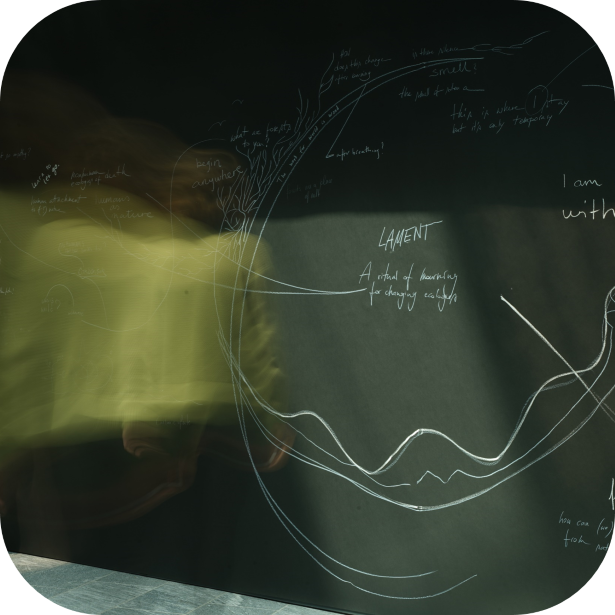
The production of the NaturArchy project Lament advances with a community engagement aspect in Portugal.
We're delighted to announce the release of the official Catalogue of the Resonances III Datami Festival.
Get lost in the flurry of SciArt snowflakes and explore what we got up to in 2023!
Ever wondered what happens at the nexus of Art, Science and Policy? Check out this JRC publication by artist Kat Austen, which surveys the landscape of the art-science-policy network, focusing on how and when art-science projects interact with policy and policymakers.
Sam Nester presents the project Anthos at the NYU Abu Dhabi Center for Genomics and Systems Biology.
Haunted water workshop by Nonhuman Nonsense at Gallery im Turm, Berlin on September 7, 2023. Check out their stories about contaminated water!
On November 9, 2023 we met STANZA at the JRC to introduce our research to him and hear more about his work. Read more about how the discussion and Q&A went!